2028 Mitsubishi Mirage Redesign, Price, Configurations
2028 Mitsubishi Mirage Redesign, Price, Configurations – The 2028 Mitsubishi Mirage could become one of the most intriguing possibilities in the affordable-car market if Mitsubishi decides to revive its discontinued small hatchback with a modern electrified formula. The Mirage built its reputation around low purchase prices, excellent fuel economy, simple mechanical engineering, and easy city driving. However, its long-running platform eventually struggled to meet the expectations of a market increasingly focused on advanced safety, stronger performance, modern infotainment, and electrification. Mitsubishi discontinued the Mirage in the United States after the 2024 model year, ending a long chapter for the nameplate in one of its most important markets. A 2028 return would therefore need to represent a genuine new generation rather than another minor facelift.
At present, Mitsubishi has not officially confirmed a 2028 Mirage for production, so any future specifications, prices, trim names, or release timing should be treated as projections rather than confirmed manufacturer information. The situation is particularly interesting because Mitsubishi is pursuing a broader electrification strategy across its global lineup. The company has increasingly emphasized electrified vehicles, including hybrids and plug-in hybrids, while expanding its SUV portfolio through products developed with Renault and Nissan. A future Mirage could potentially take advantage of that broader technology ecosystem. Instead of returning with the old three-cylinder formula alone, the next Mirage could use a hybrid powertrain or even become a compact battery-electric hatchback.
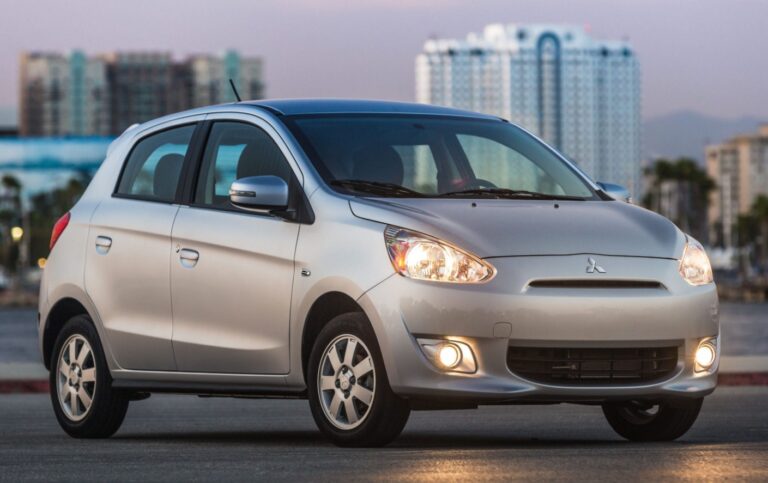
The original modern Mirage was designed around affordability and efficiency rather than outright performance. In its final U.S. configuration, the hatchback used a 1.2-liter three-cylinder gasoline engine producing 78 horsepower and 74 lb-ft of torque, paired with a continuously variable transmission. Mitsubishi rated the 2024 Mirage at up to 36 mpg city and 43 mpg highway, depending on configuration, making it one of the most economical gasoline-powered vehicles available in the American market. The hatchback’s compact footprint also made it particularly convenient for crowded urban environments. A future model could preserve that efficiency-first philosophy while replacing the aging mechanical package with stronger electrification and much more sophisticated technology.
The biggest question is whether Mitsubishi would use the Mirage name for a genuinely global small car or reserve it for selected markets where inexpensive compact vehicles remain important. A new Mirage could sit below models such as the Outlander Sport and Eclipse Cross while offering a fundamentally different proposition: low running costs, easy maneuverability, excellent efficiency, and a low entry price. If the company manages to combine those characteristics with a stylish exterior and a significantly better interior, the Mirage could once again become a serious alternative to small crossovers. The opportunity is especially interesting because the continued growth of vehicle prices has created demand for affordable transportation that does not feel outdated. 2028 Mitsubishi Mirage Redesign
2028 Mitsubishi Mirage Redesign and Update Plan
Exterior & Interior
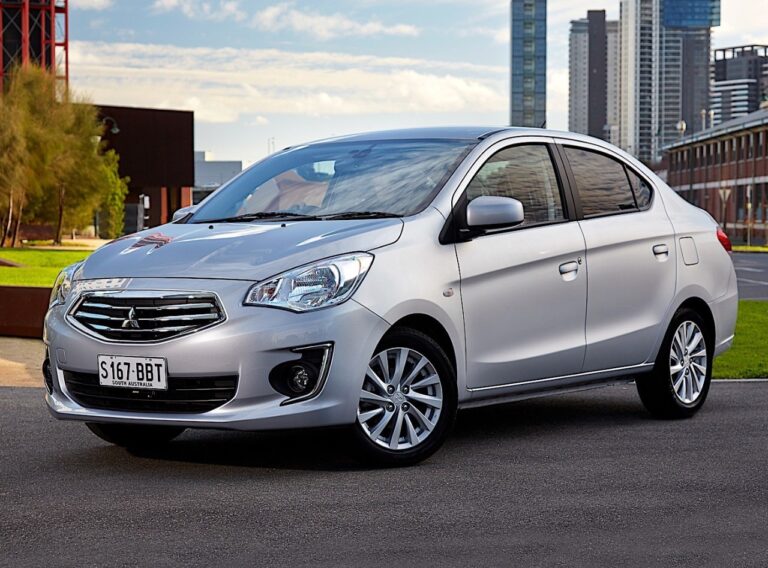
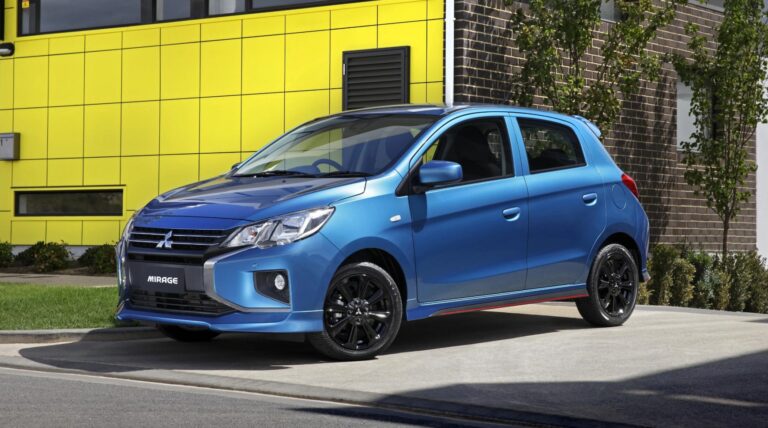
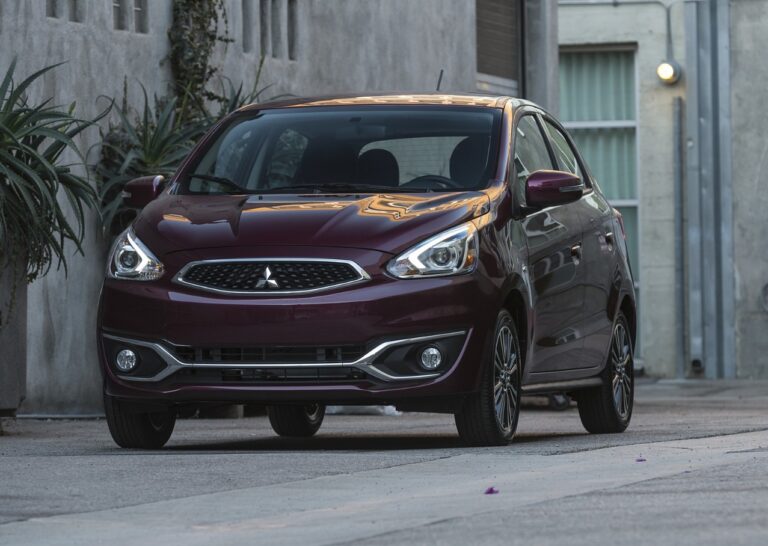
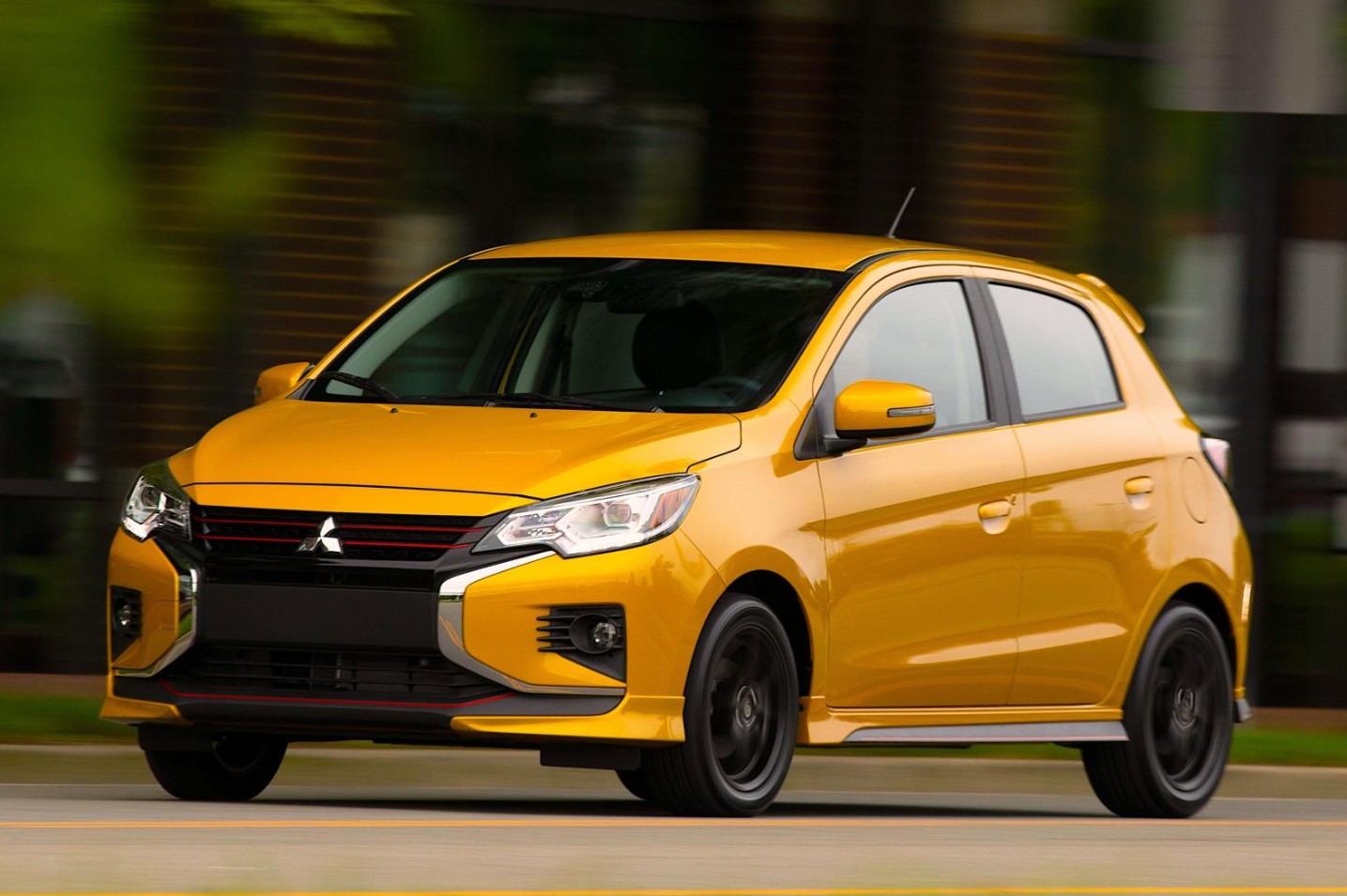
The 2028 Mirage could retain its compact footprint while delivering a much more sophisticated visual experience. The previous generation’s design was functional, but a new model would need stronger visual differentiation from inexpensive economy cars. Mitsubishi could use a floating-roof effect, sharper shoulder lines, slim LED lighting, and carefully shaped aerodynamic panels to create a more premium appearance. A black roof option could be offered on upper trims, while a broader color palette would allow buyers to personalize the car. The most important improvement would be proportion: a longer wheelbase, shorter overhangs, larger wheels, and a wider stance could make the Mirage appear substantially more mature without making it difficult to maneuver.
Inside, the transformation could be even more noticeable. The final Mirage’s cabin was designed around cost control, and while it provided the necessary functions, a 2028 model would face far higher expectations. A new dashboard could feature a compact digital instrument display combined with a central infotainment screen measuring approximately 8–10 inches. Wireless Apple CarPlay and Android Auto would be expected, along with USB-C charging, Bluetooth connectivity, voice controls, and connected services on higher trims. Mitsubishi could retain physical buttons and knobs for climate and volume controls, which would improve usability while driving. The cabin should feel simple and clean rather than overloaded with screens.
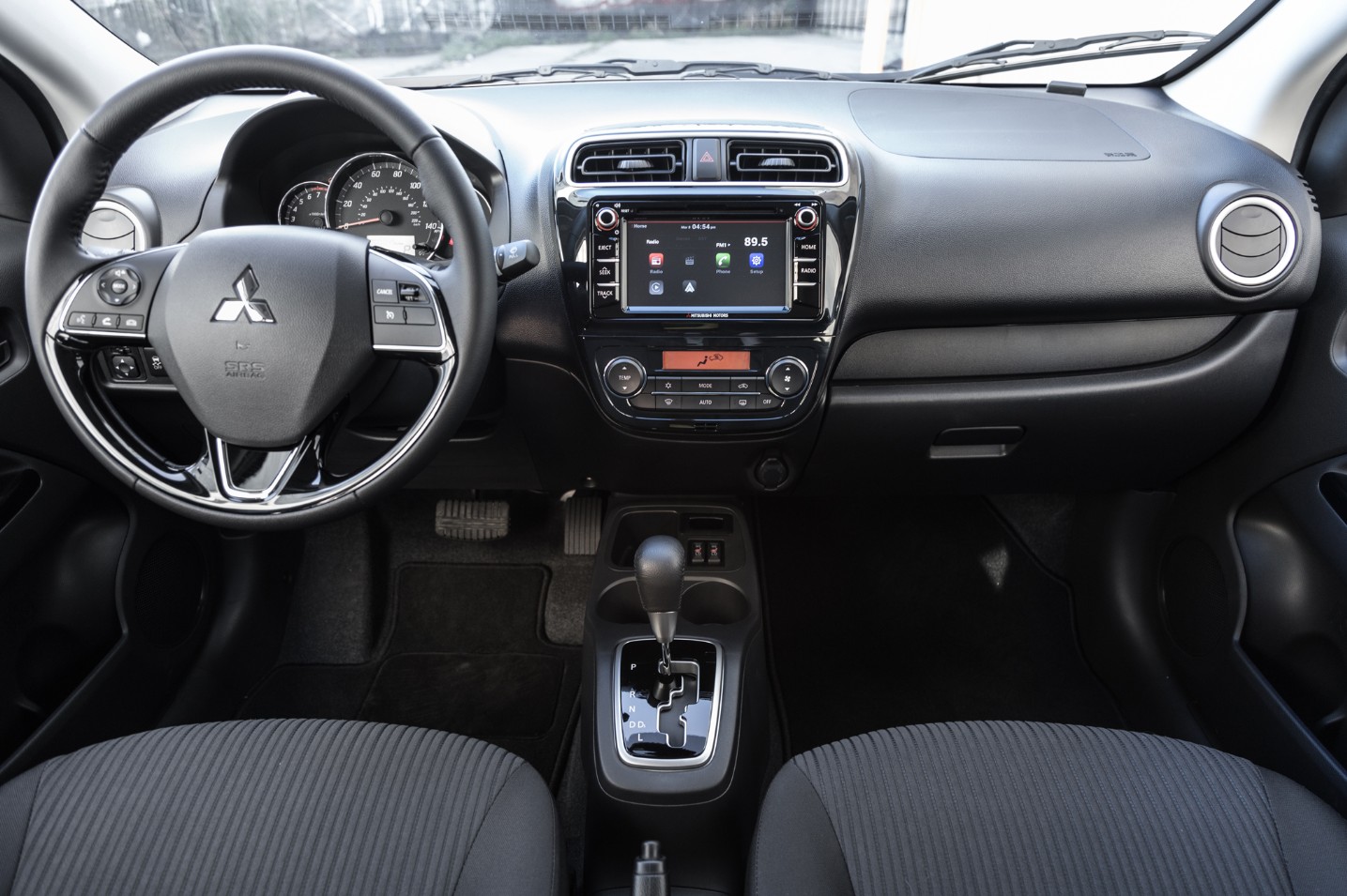
Material quality would also need attention. The base Mirage could still use durable cloth upholstery and hard-wearing plastics to control costs, but the design could make those materials appear more deliberate. Mid-level trims could add upgraded cloth or synthetic leather, soft-touch surfaces in key areas, contrasting stitching, and metallic-look accents. The top trim could include heated front seats, automatic climate control, a heated steering wheel, wireless smartphone charging, and a premium audio system. These features would allow the Mirage to move beyond its former reputation as purely basic transportation while keeping the equipment focused on things owners actually use.
Passenger and cargo space would remain central to the design. The previous Mirage demonstrated how a small exterior footprint could accommodate five passengers, but rear-seat comfort could be improved substantially through a longer wheelbase and thinner front-seat structures. A more useful center console could provide additional storage, while larger door pockets and a deeper cargo area would make everyday use easier. A 60/40 split-folding rear seat should remain standard, allowing owners to carry larger objects when necessary. If Mitsubishi keeps the vehicle lightweight and compact, the Mirage could provide a practical alternative to small SUVs for buyers who do not need the extra height or bulk.
A 2028 Mitsubishi Mirage redesign would need to start with a new platform and a substantially stronger body structure. The outgoing Mirage’s greatest strength was its low weight, but the same lightweight philosophy also came with compromises in refinement, rigidity, sound insulation, and perceived quality. A new generation could use higher-strength steel and more sophisticated structural engineering while remaining relatively lightweight. Mitsubishi could also adapt an existing alliance architecture to reduce development costs, particularly given its relationship with Nissan and Renault. This would make it more realistic to develop a small car with modern crash protection, electrification capability, and updated electrical architecture without pushing the purchase price into an entirely different market category.
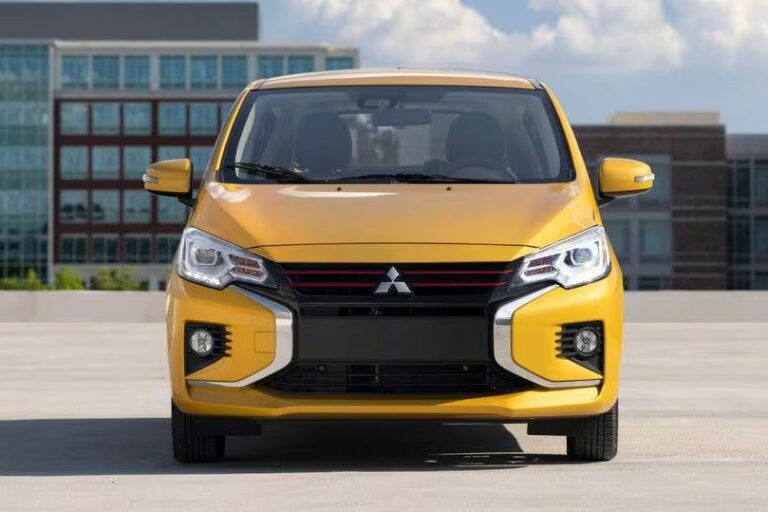
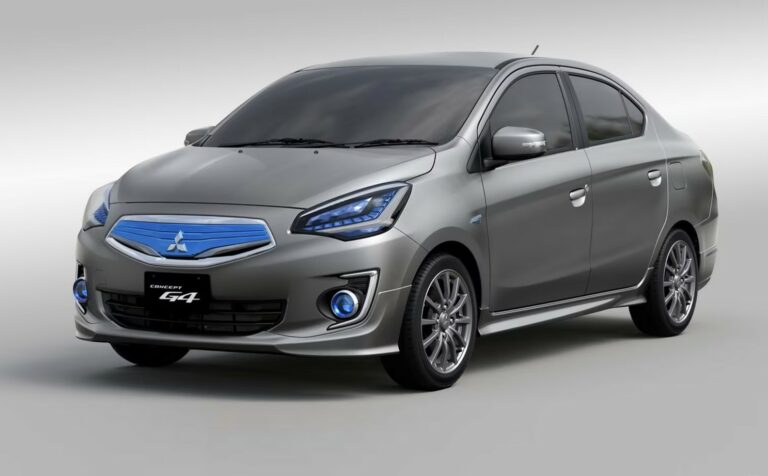
The exterior design would probably be one of the most dramatic changes. The final-generation Mirage had a narrow, upright shape that prioritized interior packaging and efficiency, but the next model could adopt a more assertive interpretation of Mitsubishi’s current Dynamic Shield design language. A wider front grille, slim LED headlights, sharper daytime running lights, sculpted front corners, and a more pronounced hood could give the hatchback a much stronger road presence. The design should remain aerodynamic rather than becoming unnecessarily aggressive. A small hatchback does not need oversized grilles or artificial vents to look modern. Instead, Mitsubishi could rely on clean body surfaces, strong proportions, compact overhangs, and carefully integrated lighting.
The side profile could become more athletic without losing the practical character of the Mirage. A slightly longer wheelbase would provide more rear-seat space while allowing the wheels to move closer to the corners of the body. The roofline could remain relatively tall, preserving headroom and cargo usability, while a more sharply angled rear window would improve the vehicle’s visual proportions. Higher trims could receive 16- or 17-inch alloy wheels, while entry versions would likely use smaller wheels with taller tires for comfort and lower replacement costs. Two-tone paint, black exterior accents, LED rear lighting, and a small roof spoiler could create a sportier appearance without adding excessive weight.
The rear design should be cleaner and wider than the outgoing car, with LED taillights positioned to visually emphasize the vehicle’s width. Mitsubishi could integrate aerodynamic features into the roof spoiler and rear bumper while keeping the hatch opening large enough for practical cargo loading. The redesign could also bring more advanced lighting signatures and a more recognizable Mitsubishi identity. Most importantly, the new Mirage should avoid becoming a miniature SUV simply because crossovers are popular. Its hatchback proportions could actually be an advantage in markets where fuel efficiency, parking space, maneuverability, and low operating costs matter more than elevated ground clearance. 2028 Mitsubishi Mirage Redesign
2028 Mitsubishi Mirage Specs
Engine & Performance
The most logical powertrain direction for a future 2028 Mitsubishi Mirage would be electrification. The final U.S.-market Mirage used a 1.2-liter three-cylinder engine with 78 horsepower and 74 lb-ft of torque, a combination that prioritized fuel economy over acceleration. That approach worked when the Mirage was positioned almost entirely around affordability, but modern buyers increasingly expect small cars to provide stronger acceleration and quieter operation. A hybrid system could solve both problems. Electric assistance would provide immediate low-speed torque, reducing the sluggish feeling associated with small naturally aspirated engines while allowing the gasoline engine to operate more efficiently.
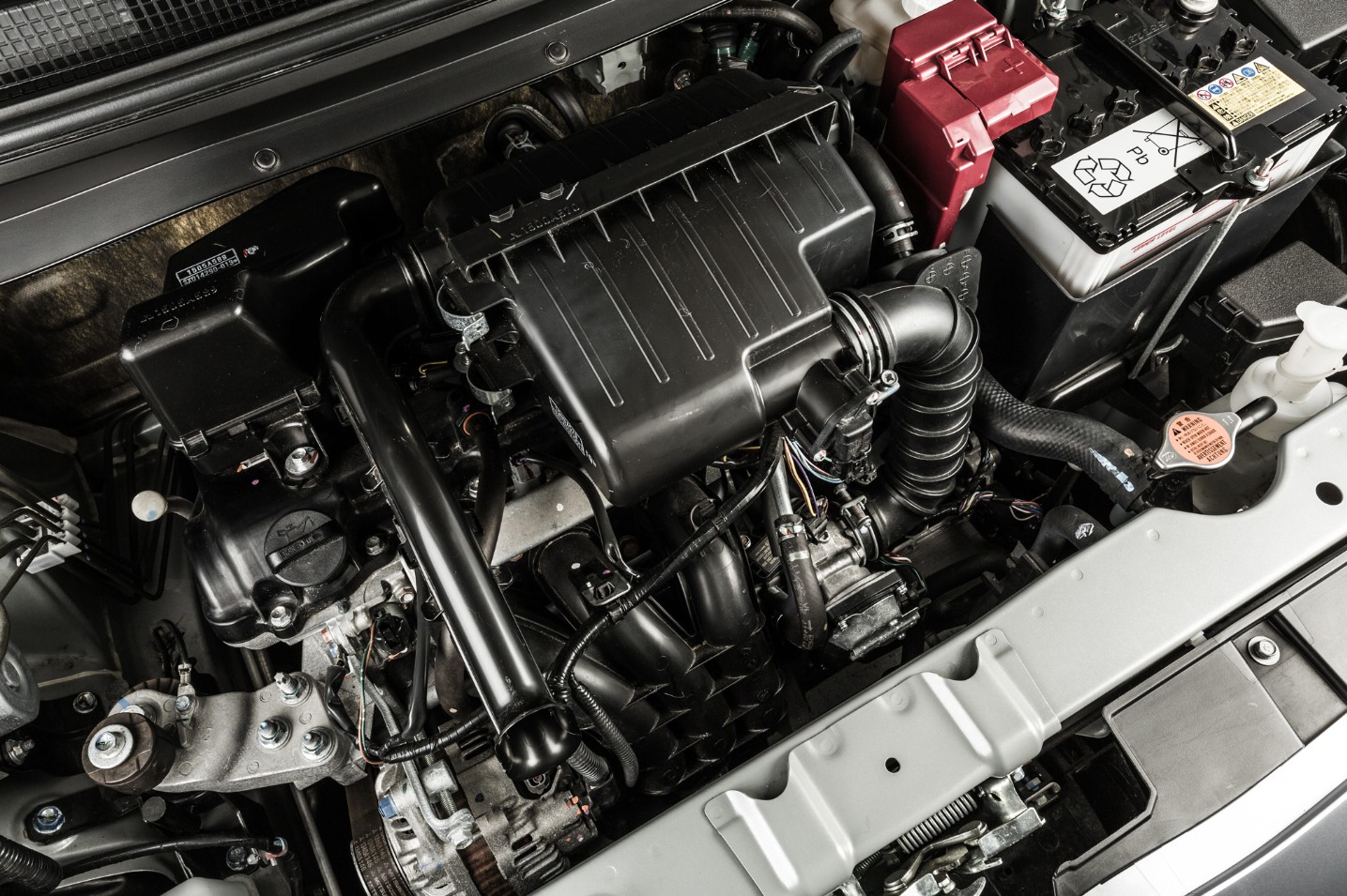
A possible 2028 Mirage hybrid could combine a 1.2- or 1.5-liter gasoline engine with an electric motor and a compact battery. A combined output around 100–140 horsepower would represent a significant improvement over the previous 78-hp model without requiring a large engine. Mitsubishi could use an e-CVT-style transmission or an electrified drivetrain developed through the Renault-Nissan-Mitsubishi alliance. Front-wheel drive would almost certainly remain standard because it provides the lowest weight, cost, and energy consumption. Such a system could also provide smooth stop-and-go performance, making the Mirage particularly well suited to dense urban traffic.
A fully electric Mirage would be a more ambitious possibility. Mitsubishi’s wider electrification strategy makes a small EV technically plausible, although there is currently no official announcement connecting the Mirage name with a future battery-electric vehicle. A compact EV could use a battery of approximately 35–50 kWh and target somewhere around 220–300 miles of driving range depending on configuration and testing standards. Output around 120–160 horsepower would be sufficient for a vehicle of this size. Fast charging could potentially allow a meaningful percentage of the battery to be restored during a short stop, although charging capability would depend heavily on the architecture Mitsubishi ultimately chooses.
Regardless of powertrain, the 2028 Mirage should remain light and easy to drive. Excessive battery weight would undermine the advantages of a small hatchback, so Mitsubishi would need to balance range against mass and price. A hybrid model could arguably offer the best compromise for buyers who want low fuel consumption without charging infrastructure. Steering should be light at parking speeds but more stable at highway speeds, while the suspension could emphasize comfort without allowing excessive body movement. A sportier trim could receive firmer dampers and larger wheels, but the Mirage’s fundamental mission should remain affordable, efficient transportation rather than outright performance. 2028 Mitsubishi Mirage Redesign
2028 Mitsubishi Mirage Fuel Economy
Fuel economy could become the Mirage’s strongest selling point once again, especially if Mitsubishi introduces a full hybrid. The final U.S. Mirage was already capable of up to 43 mpg highway, according to Mitsubishi’s 2024 specifications, which established a strong efficiency benchmark for the nameplate. A modern hybrid could potentially move the combined figure into the 45–55 mpg range, depending on vehicle weight, battery capacity, tire choice, and drivetrain calibration. Urban fuel economy could benefit even more because regenerative braking and electric assistance work particularly well in stop-and-go conditions. For buyers who drive significant annual mileage, lower fuel consumption could have a meaningful effect on ownership costs.
2028 Mitsubishi Mirage Safety Features
Safety would be one of the most important areas separating a hypothetical 2028 Mirage from the previous generation. Mitsubishi could make automatic emergency braking, forward collision warning, lane-departure warning, lane-keeping assistance, automatic high beams, and a rearview camera standard across the range. Higher trims could add adaptive cruise control, blind-spot monitoring, rear cross-traffic alert, pedestrian and cyclist recognition, traffic-sign recognition, and a surround-view camera. A new structural platform would also provide the opportunity for stronger crash protection. The previous Mirage’s affordability should not be treated as an excuse for outdated safety technology in a future model.
2028 Mitsubishi Mirage Release Date & Price
The release date is even less certain. Mitsubishi has not announced a 2028 Mirage, and the company could choose to replace the nameplate with a different small vehicle or concentrate its future investment on crossovers and electrified SUVs. Still, if a Mirage revival is approved, a late-2027 unveiling followed by a 2028 model-year launch would be a plausible timeline. A hybrid could arrive first because it would require less charging infrastructure and could share technology with other alliance products. A battery-electric derivative could follow later if Mitsubishi’s dedicated EV strategy supports a vehicle in this size category. Any claim of a specific reveal month or dealer arrival date should therefore be treated cautiously until Mitsubishi provides official confirmation.
The trim lineup could be designed around a straightforward three- or four-grade structure. A hypothetical Mirage ES would serve as the affordable entry model, with LED lighting, an 8-inch touchscreen, smartphone integration, essential driver-assistance technology, and durable cloth seats. A Mirage SE could add alloy wheels, upgraded upholstery, adaptive cruise control, blind-spot monitoring, larger displays, and automatic climate control. A Mirage SEL or similar premium grade could feature heated seats, synthetic leather, a premium audio system, larger wheels, a surround-view camera, and additional connected services. If a hybrid is introduced, Mitsubishi could offer it across multiple grades rather than restricting electrification to a single expensive version.
Pricing will ultimately determine whether the Mirage can return successfully. The 2024 U.S. Mirage began at approximately $16,695 before destination, making it one of the few truly inexpensive new cars available at the time. A 2028 replacement could not realistically maintain that price because of inflation, modern safety equipment, higher manufacturing costs, and electrification. A reasonable projection would place a gasoline entry model around $20,000–$23,000, while a mild-hybrid version could begin near $23,000–$26,000. A full hybrid might reach $26,000–$30,000, while a fully electric model could start around $30,000–$34,000 before incentives. These figures remain speculative because Mitsubishi has not announced the vehicle.
Conclusion
The 2028 Mitsubishi Mirage remains an unconfirmed vehicle, but the concept makes sense in a market where new-car prices have moved steadily upward and buyers still need affordable transportation. The old Mirage succeeded because it focused relentlessly on efficiency, simplicity, compact dimensions, and low operating costs. A modern successor would need to preserve those fundamentals while removing the weaknesses associated with an aging economy-car platform. Better crash protection, a quieter cabin, stronger performance, modern infotainment, improved materials, and electrification would be essential rather than optional upgrades.
A hybrid Mirage could be the most convincing route. It would preserve the convenience of gasoline refueling while delivering the low-speed torque and efficiency benefits of electric assistance. A full EV could provide an even more dramatic technological transformation, but its battery cost and charging requirements could make it difficult to maintain the Mirage’s traditional affordability. The best strategy may therefore be to offer multiple powertrains, allowing the nameplate to serve different markets without losing its core purpose.
The design would also need to evolve carefully. A 2028 Mirage should look distinctive and contemporary without becoming unnecessarily expensive or complicated. A sharp Mitsubishi-inspired exterior, significantly improved interior, useful rear-seat space, modern connectivity, and comprehensive driver assistance could make the small hatchback feel considerably more sophisticated than its predecessor. Most importantly, the vehicle should remain compact, lightweight, and easy to park.
For now, the 2028 Mitsubishi Mirage is best viewed as a potential comeback rather than a confirmed production model. Mitsubishi’s broader electrification direction makes a hybrid or electric small car technically plausible, but there is no official confirmation that the Mirage badge will return. If the company chooses to revive it, the strongest formula would combine the nameplate’s historic affordability with modern electrified efficiency, credible performance, advanced safety, and a substantially more premium cabin. That could turn an old economy-car name into a surprisingly relevant choice for the next generation of budget-conscious buyers.